
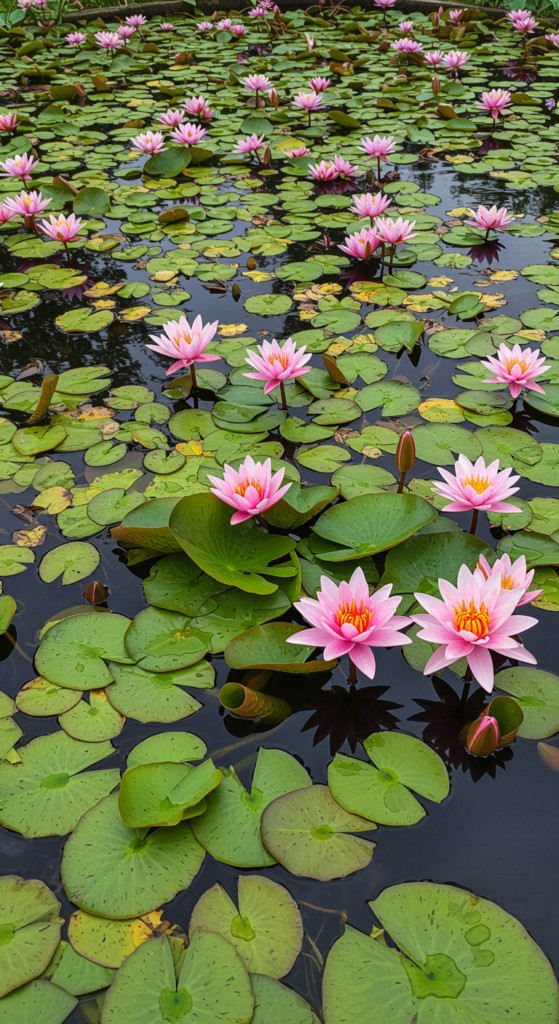
Dive into the World of Water Lilies
Have you ever gazed upon a serene pond adorned with beautiful water lilies and wondered how you could create such a stunning aquatic paradise in your own backyard? Well, you’re in luck! Welcome to the wonderful world of aquatic gardening, where we’ll explore the art of growing breathtaking water lilies. Whether you’re a seasoned gardener looking to expand your horizons or a newcomer eager to dip your toes into this fascinating hobby, this guide will help you master the essentials of water lily cultivation.
Water lilies, with their elegant floating leaves and captivating blooms, have long been admired for their beauty and symbolism. These aquatic plants not only add a touch of magic to any water feature but also offer numerous benefits to the ecosystem. So, let’s embark on this exciting journey together and discover how you can transform your outdoor space into a thriving oasis of tranquility and natural beauty.
Understanding Water Lilies: Nature’s Aquatic Jewels
What Makes Water Lilies Special?
Water lilies are truly remarkable plants that have adapted to life in aquatic environments. They belong to the family Nymphaeaceae and are known for their large, round leaves (called lily pads) that float on the water’s surface. These leaves are not just for show – they play a crucial role in the plant’s survival by allowing it to absorb sunlight and oxygen.
But it’s the flowers of water lilies that truly steal the show. Rising above the water on sturdy stems, these blooms come in a variety of colors, from pristine whites and soft pinks to vibrant yellows and deep purples. Some water lilies even change color over the course of their blooming period, offering a dynamic display that can last for several days.
Types of Water Lilies
Before we dive into the nitty-gritty of growing water lilies, it’s important to understand that there are two main types:
- Hardy Water Lilies: These are perfect for gardeners in colder climates, as they can survive winter temperatures by going dormant. Hardy water lilies typically have smaller flowers and come in shades of white, pink, yellow, and red.
- Tropical Water Lilies: These showstoppers thrive in warmer temperatures and produce larger, more vibrant flowers. They come in a wider range of colors, including blue and purple. However, they need special care to survive in colder regions.
Knowing which type of water lily is best suited for your climate and garden setup is the first step in ensuring successful growth.
Setting Up Your Aquatic Garden
Choosing the Right Location
The key to growing healthy water lilies starts with selecting the perfect spot for your aquatic garden. Here are some factors to consider:
- Sunlight: Water lilies love the sun! Choose a location that receives at least 6 hours of direct sunlight daily.
- Protection: While they enjoy sunlight, water lilies benefit from some protection against strong winds. Consider natural windbreaks like shrubs or trees.
- Accessibility: Ensure you can easily reach your water lilies for maintenance and enjoyment.
Selecting the Ideal Container
If you don’t have a natural pond, don’t worry! Water lilies can thrive in containers. Here’s what you need to know:
- Size matters: Choose a container that’s at least 18 inches wide and 10 inches deep for smaller varieties. Larger lilies may need containers up to 24 inches wide and 12 inches deep.
- Material: Opt for sturdy materials like plastic or fiberglass that can withstand constant water exposure.
- Drainage: Unlike traditional potted plants, water lily containers shouldn’t have drainage holes.
Preparing the Perfect Soil Mix
Water lilies have specific soil requirements. Here’s a simple recipe for success:
- Start with heavy garden loam or clay-based soil.
- Mix in some well-aged compost or manure for nutrients.
- Avoid using regular potting soil, as it’s too light and may float away.
Planting Your Water Lilies
Now that you’ve set the stage, it’s time for the main event – planting your water lilies!
Step-by-Step Planting Guide
- Fill your container about halfway with your prepared soil mix.
- Create a small mound in the center for the water lily’s crown.
- Gently place the water lily on the mound, spreading its roots out.
- Cover the roots with more soil, leaving the crown exposed.
- Top the soil with a layer of pea gravel to prevent the soil from floating away.
- Slowly fill the container with water, being careful not to disturb the soil.
Depth Matters
Different water lily varieties have different depth requirements:
- Hardy water lilies: Start with the crown 4-6 inches below the water surface.
- Tropical water lilies: Place them 8-12 inches deep.
As the plants grow, you can gradually increase the water depth.
Nurturing Your Water Lilies
Feeding Your Aquatic Beauties
Like all plants, water lilies need proper nutrition to thrive. Here’s how to keep them well-fed:
- Use specialized aquatic plant fertilizer tablets.
- Start fertilizing when you see new growth in spring.
- For best results, fertilize every 3-4 weeks during the growing season.
- Stop fertilizing about a month before your first expected frost date.
Pruning and Maintenance
Regular care will keep your water lilies looking their best:
- Remove yellowing or dead leaves regularly.
- Deadhead spent blooms to encourage more flowering.
- Thin out overcrowded plants to prevent competition for nutrients.
Dealing with Common Issues
Even with the best care, you might encounter some challenges. Here are some common problems and solutions:
- Algae growth:
- Reduce fertilizer use
- Introduce beneficial aquatic plants like hornwort or anacharis
- Consider adding a small fountain or waterfall for aeration
- Pests:
- Aphids can be removed with a strong spray of water
- For persistent infestations, use insecticidal soap formulated for aquatic use
- Diseases:
- Crown rot: Remove affected parts and ensure proper water circulation
- Leaf spot: Remove infected leaves and improve air circulation
Winterizing Your Water Lilies
As the days grow shorter and temperatures drop, it’s time to prepare your water lilies for winter.
Hardy Water Lilies
- Lower the container to the deepest part of the pond (at least 18 inches deep).
- Remove dead foliage but leave the roots undisturbed.
- In very cold regions, consider bringing the container indoors to a cool, dark place.
Tropical Water Lilies
- These beauties can’t survive freezing temperatures.
- Before the first frost, bring the entire container indoors.
- Keep the soil moist but not waterlogged.
- Place in a cool, dark area until spring.
Enjoying the Fruits of Your Labor
Now that you’ve mastered the art of growing water lilies, it’s time to sit back and enjoy the beauty you’ve created. Here are some ways to make the most of your aquatic garden:
Creating a Relaxing Atmosphere
- Add comfortable seating near your water feature.
- Incorporate soft lighting for evening enjoyment.
- Consider adding soothing water sounds with a small fountain or waterfall.
Photography Opportunities
Water lilies make for stunning subjects in photography. Here are some tips:
- Try capturing reflections in the still water.
- Experiment with different times of day for varied lighting effects.
- Get up close to capture the intricate details of the flowers.
Flower Therapy and Mental Well-being
Spending time in your aquatic garden can be a form of therapy. Here’s why:
- The sight and sound of water have calming effects on the mind.
- Tending to plants can reduce stress and anxiety.
- Watching the gradual growth and blooming of water lilies can teach patience and appreciation for nature’s rhythms.
Expanding Your Aquatic Garden
Once you’ve mastered water lilies, you might want to explore other aquatic plants to complement your garden:
- Lotus: Similar to water lilies but with leaves and flowers that rise above the water surface.
- Floating plants: Try water lettuce or water hyacinth for added texture.
- Marginal plants: Plants like iris or cattails can add height and variety to the edges of your pond.
Sharing the Joy: Community and Resources
Gardening is often more enjoyable when shared with others. Here are some ways to connect with fellow aquatic gardening enthusiasts:
- Join local gardening clubs or online forums dedicated to water gardening.
- Attend water garden tours or exhibitions in your area.
- Share your experiences and photos on social media using hashtags like #WaterLilyLove or #AquaticGardening.
Conclusion: Your Aquatic Paradise Awaits
Congratulations! You’re now equipped with the knowledge to create and maintain your very own water lily paradise. Remember, like any form of gardening, growing water lilies is a journey of continuous learning and discovery. Each season will bring new challenges and rewards, and your aquatic garden will evolve and grow along with your experience.
So go ahead, take the plunge into the world of water lilies. Transform your outdoor space into a tranquil oasis where you can relax, reflect, and reconnect with nature. Whether you’re tending to a small container garden or a sprawling pond, the serene beauty of water lilies is sure to bring joy and a touch of magic to your life.
Happy aquatic gardening, and may your water lilies bloom abundantly!
“To plant a garden is to believe in tomorrow.” – Audrey Hepburn
This quote rings especially true for water lily enthusiasts. As you nurture these aquatic wonders, you’re not just growing plants – you’re cultivating beauty, fostering biodiversity, and creating a legacy that can bring joy for years to come. So dive in, get your hands wet, and watch as your aquatic garden becomes a living masterpiece, one water lily at a time.