
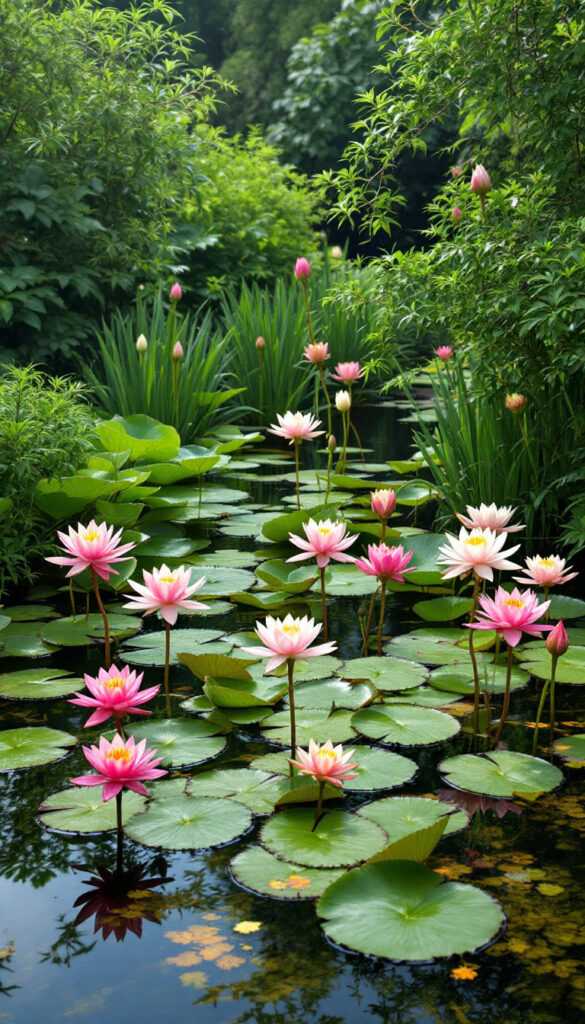
Are you looking to add a touch of elegance and serenity to your backyard? Look no further than water lilies! These beautiful aquatic plants can turn your ordinary pond into a stunning oasis. In this blog post, we’ll dive into the world of water lilies and show you how to grow these pretty plants in your very own pond. Whether you’re a seasoned gardener or just starting out, this guide will help you create a magical water garden that will be the envy of your neighborhood.
Why Water Lilies Are the Perfect Addition to Your Pond
Water lilies are more than just pretty flowers floating on the surface of your pond. They offer a range of benefits that make them an excellent choice for any water garden enthusiast:
- Natural beauty: Water lilies come in a variety of colors and sizes, adding a pop of color and visual interest to your pond.
- Water purification: These plants help keep your pond water clean by absorbing excess nutrients and providing shade, which reduces algae growth.
- Wildlife habitat: Water lilies create a perfect environment for fish, frogs, and other aquatic creatures, enhancing the biodiversity of your backyard ecosystem.
- Stress relief: Watching water lilies gently float on the surface of your pond can be incredibly calming and therapeutic.
- Low maintenance: Once established, water lilies are relatively easy to care for, making them ideal for both experienced and novice gardeners.
Now that we’ve covered why water lilies are so great, let’s dive into how you can grow these beautiful plants in your own backyard pond.
Choosing the Right Water Lilies for Your Pond
Before you start planting, it’s important to select the right type of water lily for your specific pond and climate. There are two main categories of water lilies: hardy and tropical.
Hardy Water Lilies
Hardy water lilies are perfect for ponds in cooler climates, as they can withstand freezing temperatures. They come in a range of colors, including white, pink, yellow, and red. Some popular hardy water lily varieties include:
- Nymphaea ‘Attraction’: A vibrant red flower with dark green leaves
- Nymphaea ‘Gonnere’: A pure white double flower with a long blooming period
- Nymphaea ‘Sulphurea Okeechobee’: A pale yellow flower with mottled leaves
Tropical Water Lilies
Tropical water lilies thrive in warmer climates and produce larger, more vibrant flowers than their hardy counterparts. They come in a wider range of colors, including blue and purple. Some popular tropical water lily varieties include:
- Nymphaea ‘Blue Beauty’: A stunning blue flower with yellow stamens
- Nymphaea ‘Red Flare’: A deep red flower with bronze-colored leaves
- Nymphaea ‘Mrs. George H. Pring’: A pristine white flower with a long blooming season
When choosing water lilies for your pond, consider the following factors:
- Pond size: Make sure to select varieties that are appropriate for the size of your pond. Some water lilies can spread up to 6 feet wide, so choose accordingly.
- Water depth: Different water lily varieties thrive at different depths. Check the recommended planting depth for each variety before making your selection.
- Sunlight: Most water lilies require at least 6 hours of direct sunlight per day to bloom properly. Consider the amount of sun your pond receives when choosing your plants.
- Climate: If you live in a region with cold winters, stick to hardy varieties that can survive freezing temperatures.
Preparing Your Pond for Water Lilies
Before you start planting your water lilies, it’s essential to ensure that your pond is ready to support these beautiful plants. Here are some steps to prepare your pond:
- Clean your pond: Remove any debris, dead leaves, or algae from your pond to create a clean environment for your new plants.
- Check water quality: Test your pond water to ensure that the pH level is between 6.5 and 7.5, which is ideal for water lilies.
- Install a pump and filter: If you haven’t already, set up a proper filtration system to keep your pond water clean and oxygenated.
- Create planting areas: If your pond doesn’t have built-in planting shelves, you can create them using bricks or cinder blocks to elevate your water lily containers to the appropriate depth.
Planting Your Water Lilies
Now that your pond is ready, it’s time to plant your water lilies! Follow these steps for successful planting:
- Choose the right container: Use a wide, shallow container with drainage holes. Plastic or fabric pots designed specifically for aquatic plants work well.
- Prepare the soil: Use a heavy clay loam or aquatic plant soil. Avoid regular potting soil, as it will float away in the water.
- Plant the rhizome: Place the water lily rhizome (the thick, horizontal stem) at a 45-degree angle with the growing tip pointing towards the center of the pot. Cover with soil, leaving the growing tip exposed.
- Add fertilizer: Use aquatic plant fertilizer tablets, pushing them into the soil around the rhizome.
- Top with gravel: Cover the soil surface with a layer of small gravel to prevent the soil from floating away and to discourage fish from digging.
- Lower into the pond: Gently lower the planted container into your pond, placing it at the appropriate depth for the variety you’ve chosen.
Caring for Your Water Lilies
Once your water lilies are planted, they’ll need some ongoing care to thrive and produce beautiful blooms. Here are some tips for maintaining your water lilies:
Feeding
Water lilies are heavy feeders and require regular fertilization to produce abundant blooms. Follow these guidelines:
- Fertilize monthly during the growing season (spring through fall)
- Use aquatic plant fertilizer tablets, following the package instructions for dosage
- Push the tablets into the soil around the plant, being careful not to disturb the roots
Pruning
Regular pruning helps keep your water lilies healthy and looking their best:
- Remove yellow or dying leaves as they appear
- Deadhead spent flowers to encourage more blooms
- Trim back overgrown plants to prevent them from taking over your pond
Winter Care
If you live in a region with cold winters, you’ll need to take some steps to protect your water lilies:
- For hardy varieties: Lower the plants to the deepest part of your pond to prevent freezing
- For tropical varieties: Remove the plants from the pond and store them in a cool, dark place for the winter
Pest and Disease Management
While water lilies are generally resistant to pests and diseases, they can occasionally face some issues. Here are some common problems and how to address them:
- Aphids: These small insects can cluster on leaves and flowers. Remove them by spraying the plants with a strong stream of water or using an insecticidal soap approved for aquatic use.
- Leaf miners: These pests create tunnels in the leaves. Remove affected leaves and dispose of them away from your pond.
- Crown rot: This fungal disease can cause the center of the plant to rot. Remove affected plants immediately to prevent spread.
- Algae growth: While some algae are normal, excessive growth can be harmful to your water lilies. Maintain proper water circulation and filtration, and consider adding floating plants to help reduce algae.
Enjoying Your Water Lily Pond
Now that you’ve successfully grown water lilies in your pond, it’s time to sit back and enjoy the fruits of your labor. Here are some ways to make the most of your water lily pond:
- Create a seating area: Set up comfortable seating near your pond so you can relax and enjoy the view of your beautiful water lilies.
- Add lighting: Install underwater or floating lights to illuminate your water lilies at night, creating a magical atmosphere in your backyard.
- Incorporate other aquatic plants: Combine your water lilies with other aquatic plants like lotus, water hyacinth, or iris to create a diverse and lush water garden.
- Attract wildlife: Add some fish to your pond or create areas for frogs and other wildlife to encourage a thriving ecosystem.
- Practice mindfulness: Spend time each day observing your water lilies, watching how they open and close with the sun, and appreciating the peace and tranquility they bring to your space.
Conclusion: Your Very Own Water Lily Oasis
Growing water lilies in your backyard pond is a rewarding experience that can transform your outdoor space into a serene and beautiful oasis. With the right preparation, care, and attention, you can create a thriving water garden that will bring you joy for years to come.
Remember to choose the right varieties for your climate and pond size, prepare your pond properly, and provide ongoing care to keep your water lilies healthy and blooming. Don’t be afraid to experiment with different colors and varieties to create a unique and personalized water garden that reflects your style and preferences.
As you watch your water lilies grow and bloom, you’ll discover the therapeutic benefits of nurturing these pretty plants. The simple act of tending to your water garden can be a form of relaxation and stress relief, helping you connect with nature right in your own backyard.
So why wait? Start planning your water lily pond today and get ready to enjoy the beauty, tranquility, and joy that these amazing aquatic plants can bring to your life. Happy gardening!